
Discover the Flavours of Southeast Asian Cooking
- My Exotic Kitchen
- Oct 8, 2025
- 4 min read
If you’ve ever wondered what makes Southeast Asian food so irresistibly delicious, you’re in for a treat! I’m excited to take you on a journey through the vibrant world of Southeast Asian cuisine techniques. From the fragrant herbs to the bold spices, this region’s cooking is a celebration of flavour, colour, and culture. Whether you’re a seasoned home cook or just starting out, you’ll find plenty of inspiration and practical tips to bring these exotic tastes into your kitchen.
Let’s dive right in and explore the magic behind these dishes that have captured the hearts of food lovers everywhere.
Exploring the Heart of Southeast Asian Cuisine Techniques
Southeast Asian cuisine techniques are as diverse as the region itself, spanning countries like Thailand, Vietnam, Indonesia, Malaysia, and more. What ties them together is a shared love for fresh ingredients, balanced flavours, and cooking methods that bring out the best in every dish.
One of the first things you’ll notice is the use of fresh herbs and spices. Lemongrass, kaffir lime leaves, galangal, and Thai basil are staples that add layers of aroma and taste. These ingredients are often combined with chilli, garlic, and ginger to create that signature punch.
Another key technique is the art of balancing the five fundamental tastes: sweet, sour, salty, bitter, and umami. For example, a Thai green curry might blend coconut milk’s sweetness with the sourness of lime, the saltiness of fish sauce, and the heat of fresh chillies. This harmony is what makes every bite exciting and satisfying.
If you’re curious about how to start, try making a simple Vietnamese fresh spring roll. It’s a fun way to get familiar with fresh herbs, rice paper, and dipping sauces. Plus, it’s healthy and perfect for sharing!

Why Southeast Asian Cuisine Techniques Are So Unique
What sets these cooking methods apart? It’s the combination of quick cooking, layering of flavours, and attention to texture. Many dishes are cooked quickly over high heat to preserve the freshness of ingredients. Stir-frying, grilling, and steaming are common techniques that keep food vibrant and full of life.
Take the famous Indonesian satay for example. The meat is marinated in a mixture of spices then grilled over charcoal to get that smoky, caramelised finish. The peanut sauce served alongside adds a creamy, nutty contrast that’s simply irresistible.
Another fascinating aspect is the use of fermented ingredients like shrimp paste, fish sauce, and tamarind. These add depth and umami, making dishes taste richer without overwhelming the palate.
If you want to experiment, try making a simple Thai stir-fry with fresh vegetables, garlic, and a splash of fish sauce. It’s quick, easy, and a great way to practice balancing salty and sweet flavours.

What are the techniques of cooking in Southeast Asia?
Now, let’s get into the nitty-gritty of the cooking techniques that define this region’s cuisine. Understanding these will help you recreate authentic dishes at home.
Stir-frying - This is a fast cooking method using a wok over high heat. Ingredients are tossed quickly to retain crunch and colour. It’s perfect for vegetables, meats, and noodles.
Steaming - A gentle way to cook fish, dumplings, and rice cakes. Steaming preserves nutrients and natural flavours.
Grilling - Often done over charcoal, grilling adds a smoky aroma. Satay and grilled fish are popular examples.
Simmering - Used for soups and curries, simmering allows spices to infuse slowly, creating rich, complex flavours.
Pounding and grinding - Many spice pastes and sauces start with pounding fresh ingredients in a mortar and pestle. This releases essential oils and blends flavours beautifully.
Fermentation - From pickled vegetables to fish sauce, fermentation adds tang and umami depth.
Mastering these techniques will open up a world of possibilities. Don’t worry if it feels overwhelming at first - start small and build your confidence with simple recipes.

Bringing Southeast Asian Flavours Into Your Kitchen
Ready to try your hand at some dishes? Here are a few tips to get you started:
Stock your pantry with essentials like fish sauce, tamarind paste, coconut milk, rice noodles, and fresh herbs.
Invest in a good wok or a heavy-bottomed pan for stir-frying.
Use fresh ingredients whenever possible. The flavours of Southeast Asian dishes rely heavily on freshness.
Don’t be afraid to experiment with balancing sweet, sour, salty, and spicy. Taste as you go!
Try cooking classes to learn hands-on techniques and get insider tips. If you’re in Birmingham, My Exotic Kitchen offers fantastic classes that bring these flavours to life.
One of my favourite dishes to start with is Pad Thai. It’s a crowd-pleaser and teaches you how to balance sweet tamarind, salty fish sauce, and fresh lime. Plus, it’s fun to make!
Why Join a Southeast Asian Cooking Class?
If you want to truly master these techniques, nothing beats learning from an expert. Cooking classes offer:
Step-by-step guidance to build your skills.
Hands-on experience with authentic ingredients.
A chance to ask questions and get personalised tips.
A fun, social environment to share your passion with others.
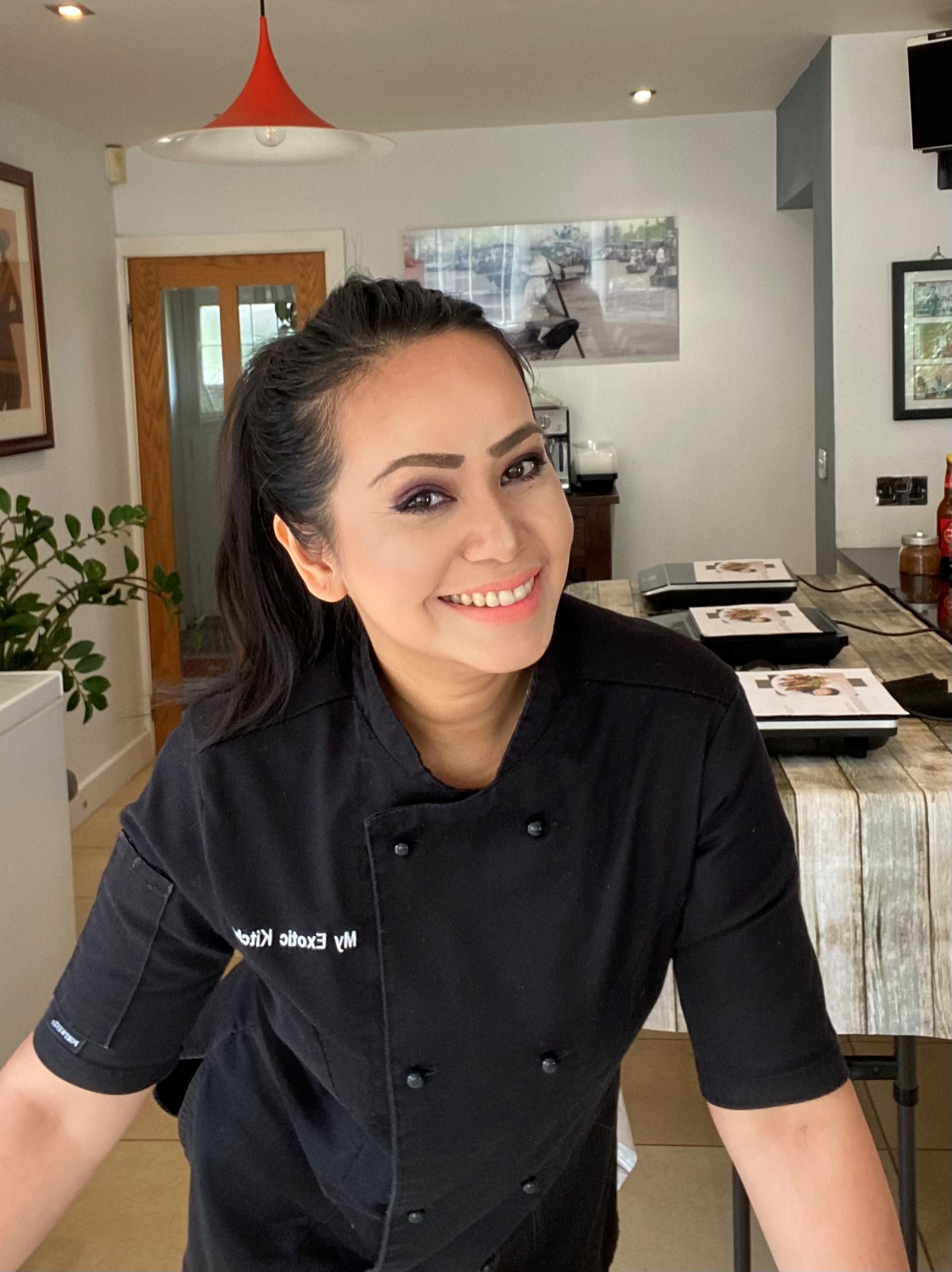
At My Exotic Kitchen, classes focus on authentic recipes from Thailand, Indonesia, and Vietnam. Tina, the passionate instructor, makes every session warm and welcoming. You’ll leave feeling confident and inspired to recreate these dishes at home.
Imagine impressing your friends with homemade Vietnamese pho or Indonesian rendang! These classes are a fantastic way to deepen your love for Southeast Asian cuisine techniques and enjoy a memorable experience.
I hope this journey into the flavours and techniques of Southeast Asian cooking has inspired you to explore this vibrant cuisine. Remember, the key is to enjoy the process and have fun experimenting. Happy cooking!
For more inspiration and to book a class, check out My Exotic Kitchen. Your taste buds will thank you!
Book Here to secure your spot !


Comments