
Exploring Southeast Asian Cooking Classes: My Exotic Kitchen in Birmingham
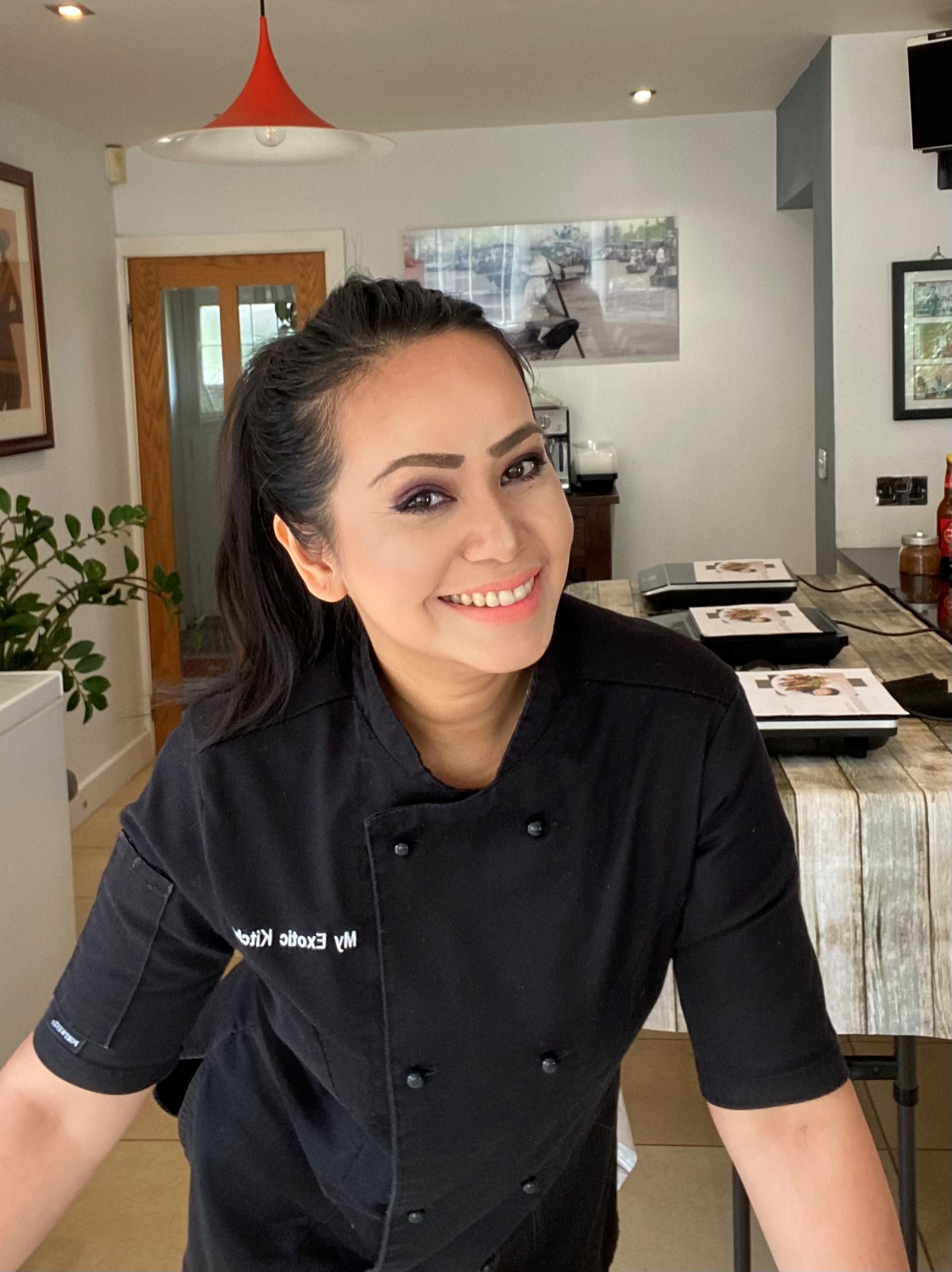
When I first discovered the world of Southeast Asian cooking, I was instantly hooked. The vibrant colours, bold flavours, and fresh ingredients made every dish a delight to prepare and enjoy. Living in Birmingham, I wanted to find a place where I could learn these authentic recipes and techniques in a friendly, relaxed setting. That’s how I found my exotic kitchen Birmingham, a wonderful spot that offers hands-on Southeast Asian cooking classes. Today, I want to share my experience and some tips for anyone interested in exploring these amazing cuisines.
Why Southeast Asian Cooking Classes Are So Special
Southeast Asian food is a beautiful mix of cultures and traditions. From Thailand’s spicy curries to Vietnam’s fresh herbs and Indonesia’s rich spices, each country offers something unique. What makes these cooking classes special is the chance to learn directly from someone who knows the cuisine inside out.
At the classes, you don’t just follow a recipe. You learn about the ingredients, the history behind the dishes, and the best ways to prepare them. This hands-on approach helps you understand the flavours and techniques better. Plus, it’s a lot of fun! You get to cook with others, share stories, and enjoy the food you made together.
Here are some reasons why I think these classes are worth trying:
Authentic recipes: You learn dishes that are true to their roots.
Fresh ingredients: The classes focus on using fresh herbs, spices, and produce.
Friendly atmosphere: The environment is welcoming and relaxed.
Practical skills: You gain cooking skills you can use at home.
Cultural insight: You get to know the culture behind the food.

What to Expect in Southeast Asian Cooking Classes
When you join a class, you can expect a warm welcome and a clear, easy-to-follow lesson. The instructor usually starts by introducing the dish and the ingredients. You’ll learn about key items like lemongrass, galangal, kaffir lime leaves, fish sauce, and coconut milk. These ingredients are the heart of many Southeast Asian dishes.
The class is hands-on, so you’ll chop, stir, and cook alongside others. The instructor will guide you step-by-step, making sure you understand each part of the process. Don’t worry if you’re new to cooking - the instructions are simple and friendly.
You’ll often prepare a few dishes in one session. For example, you might make a Thai green curry, a fresh Vietnamese spring roll, and a sweet Indonesian dessert. By the end, you’ll have a full meal to enjoy together.
Here are some tips to get the most out of your class:
Ask questions - The instructor loves to share knowledge.
Take notes - Write down tips and recipes to try later.
Be open to new flavours - Some ingredients might be new to you.
Have fun - Cooking is about enjoying the process.

My Favourite Dishes to Cook and Share
One of the best parts of these classes is discovering new dishes that you can easily make at home. Here are some of my favourites that I learned and now cook regularly:
Pad Thai: A classic Thai noodle dish with a perfect balance of sweet, sour, and salty flavours.
Vietnamese Pho: A fragrant noodle soup with fresh herbs and tender meat.
Indonesian Satay: Grilled skewers served with a rich peanut sauce.
Tom Yum Soup: A spicy and sour Thai soup that wakes up your taste buds.
Gado-Gado Salad: A fresh Indonesian salad with peanut dressing.
Each dish has its own story and special ingredients. For example, Pad Thai uses tamarind paste for its tangy flavour, while Pho relies on slow-cooked broth for depth. Learning these details makes cooking more enjoyable and meaningful.
If you want to try these dishes at home, I recommend starting with simple recipes and building your confidence. The classes give you a great foundation to experiment and create your own versions.
Tips for Cooking Southeast Asian Food at Home
Cooking Southeast Asian food at home can seem tricky at first, but with a few tips, it becomes easy and fun. Here’s what I’ve learned:
Stock your pantry: Keep essential ingredients like fish sauce, soy sauce, coconut milk, and rice noodles.
Use fresh herbs: Thai holy Basil, coriander, mint, and lemongrass make a big difference.
Balance flavours: Southeast Asian cooking is about balancing sweet, sour, salty, and spicy.
Prep ingredients: Chop and measure everything before you start cooking.
Don’t rush: Take your time to layer flavours and cook gently.
Also, don’t be afraid to visit local Asian markets in Birmingham. They often have fresh produce and authentic ingredients at good prices. This makes your cooking more authentic and enjoyable.
Why I Recommend My Exotic Kitchen Birmingham
If you want to dive into Southeast Asian cooking, I highly recommend checking out my exotic kitchen Birmingham. The classes are perfect for anyone who loves food and wants to learn in a friendly, relaxed setting. Tina, the instructor, is passionate and knowledgeable, making every class a joy.
The kitchen is well-equipped, and the group sizes are small, so you get plenty of attention. Whether you’re cooking for your family, planning a fun date, or looking for a team-building activity, these classes are a great choice.
Joining these classes has not only improved my cooking skills but also deepened my appreciation for Southeast Asian cultures. It’s a wonderful way to connect with others and enjoy delicious food.
I hope this post inspires you to explore the vibrant world of Southeast Asian cooking. Whether you join a class or try recipes at home, the flavours and stories behind these dishes are sure to bring joy to your kitchen. Happy cooking!


Comments